 Media Critique
March 15, 2026·5 min read
ইউরোপ থেকে আনাদোলু: আন্তঃসাংস্কৃতিক শিক্ষা ও সাংবাদিকতার মূল্যবোধ


“Reflections on bridging European academic pedagogical traditions with South Asian journalism practices and youth newsroom leadership.”
Reflecting on over a decade across international academic ecosystems—from the historic lecture halls of the University of Warsaw under the Erasmus+ scholarship to doctoral research at Erciyes University in Kayseri—one enduring lesson stands out: journalism education is fundamentally an exercise in moral imagination.
In both Western Europe and South Asia, journalism educators face a common dilemma. While industry demands technical proficiency in mobile journalism, algorithmic SEO, and multi-platform broadcasting, the ultimate differentiator of credible journalism remains its moral courage and commitment to ethical inquiry.
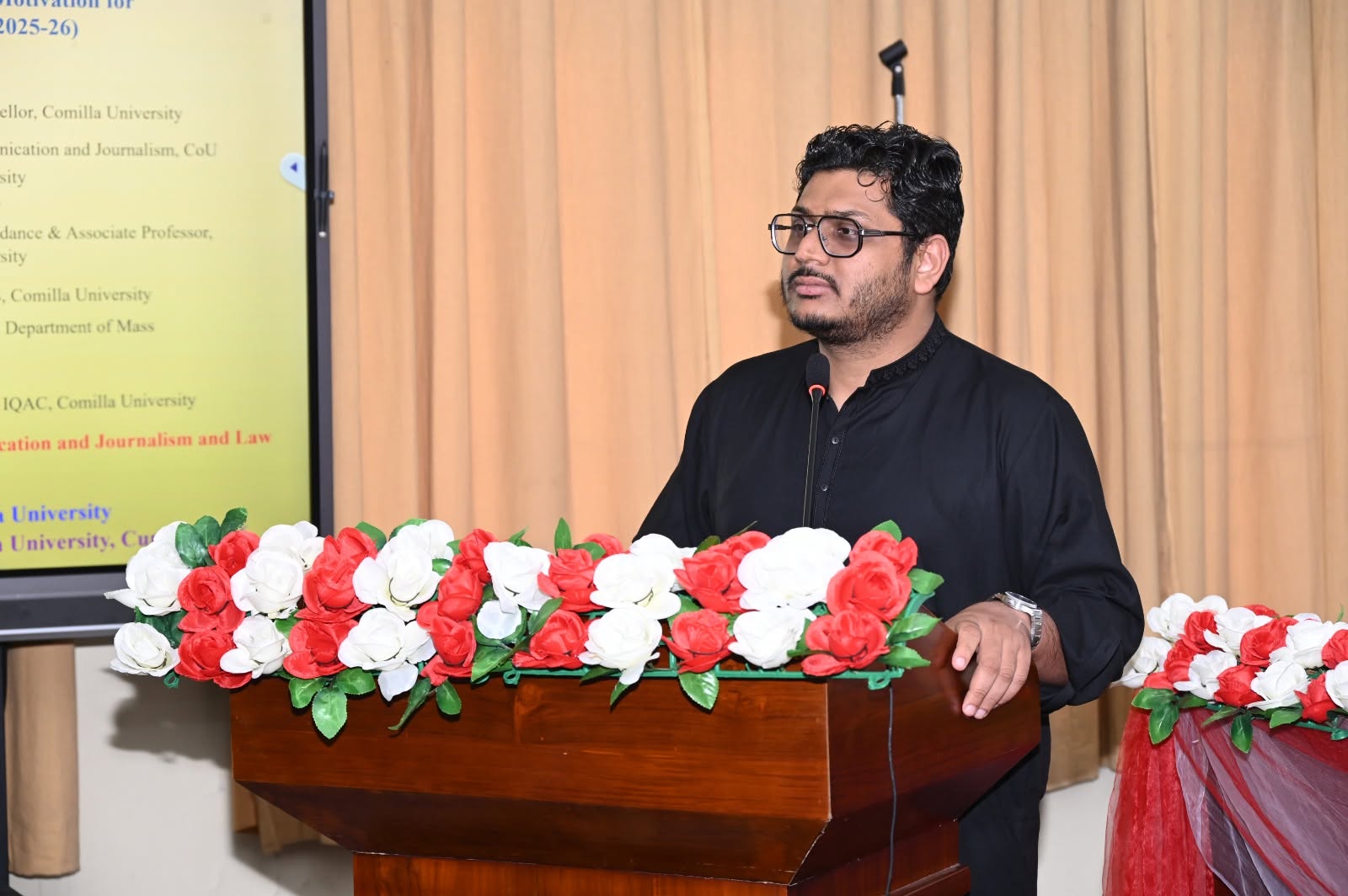
When mentoring young student reporters at Comilla University and supervising mobile journalism (MoJo) initiatives, my emphasis has consistently been on community accountability. A camera and a smartphone grant immense power; without grounded ethical sensitivity and cross-cultural empathy, that power risks causing unintentional harm. Global scholarship must remain rooted in local public service.
Faculty, Dept. of Mass Communication & Journalism, Comilla University · Doctoral Researcher, Erciyes University
Moshiur Rahman is an academic researcher, media critic, and Erasmus+ scholar specializing in synthetic political misinformation, counter-framing, and intercultural youth pedagogy.
Continue reading selected analyses & public essays
Media Critique Public Pedagogy